
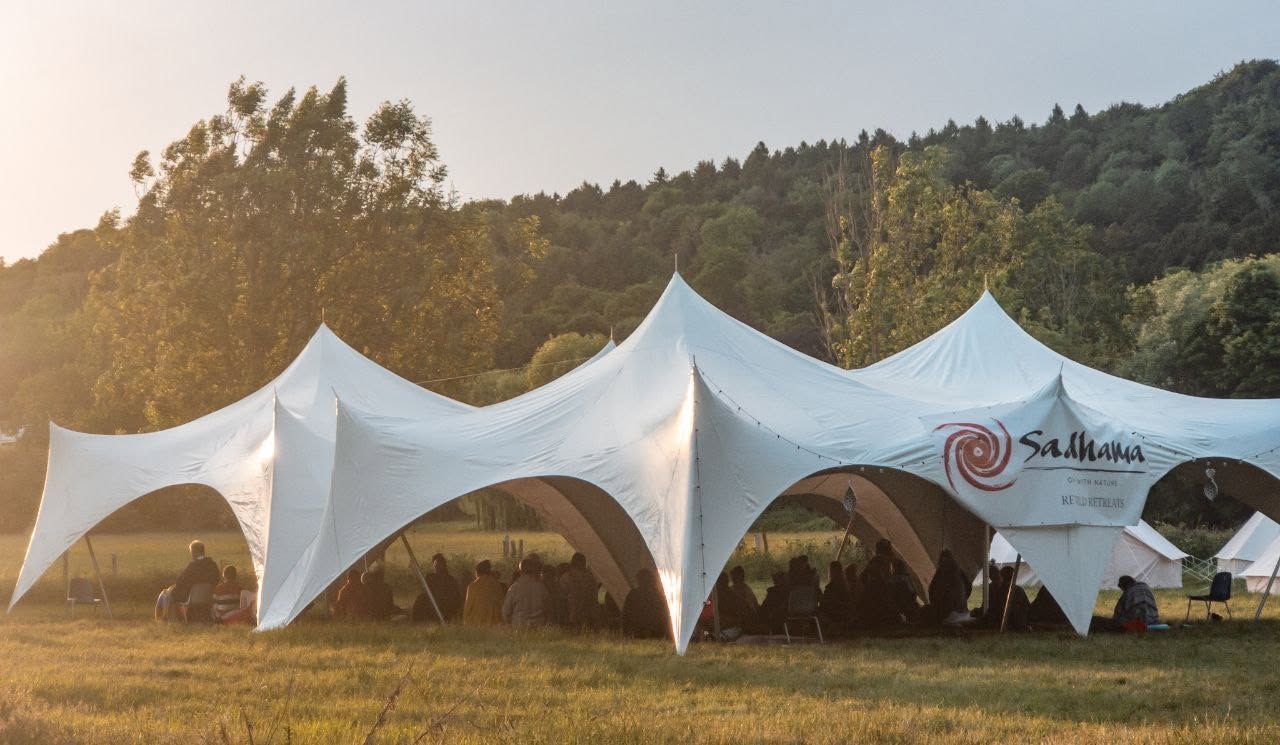
A Silent Retreat Near London: Vipassana on the Thames in Oxfordshire
Looking for a silent meditation retreat near London? Our 7-day vipassana retreats are at Hardwick Estate in the Chilterns, 40 minutes by train from Paddington.
Read · 3 min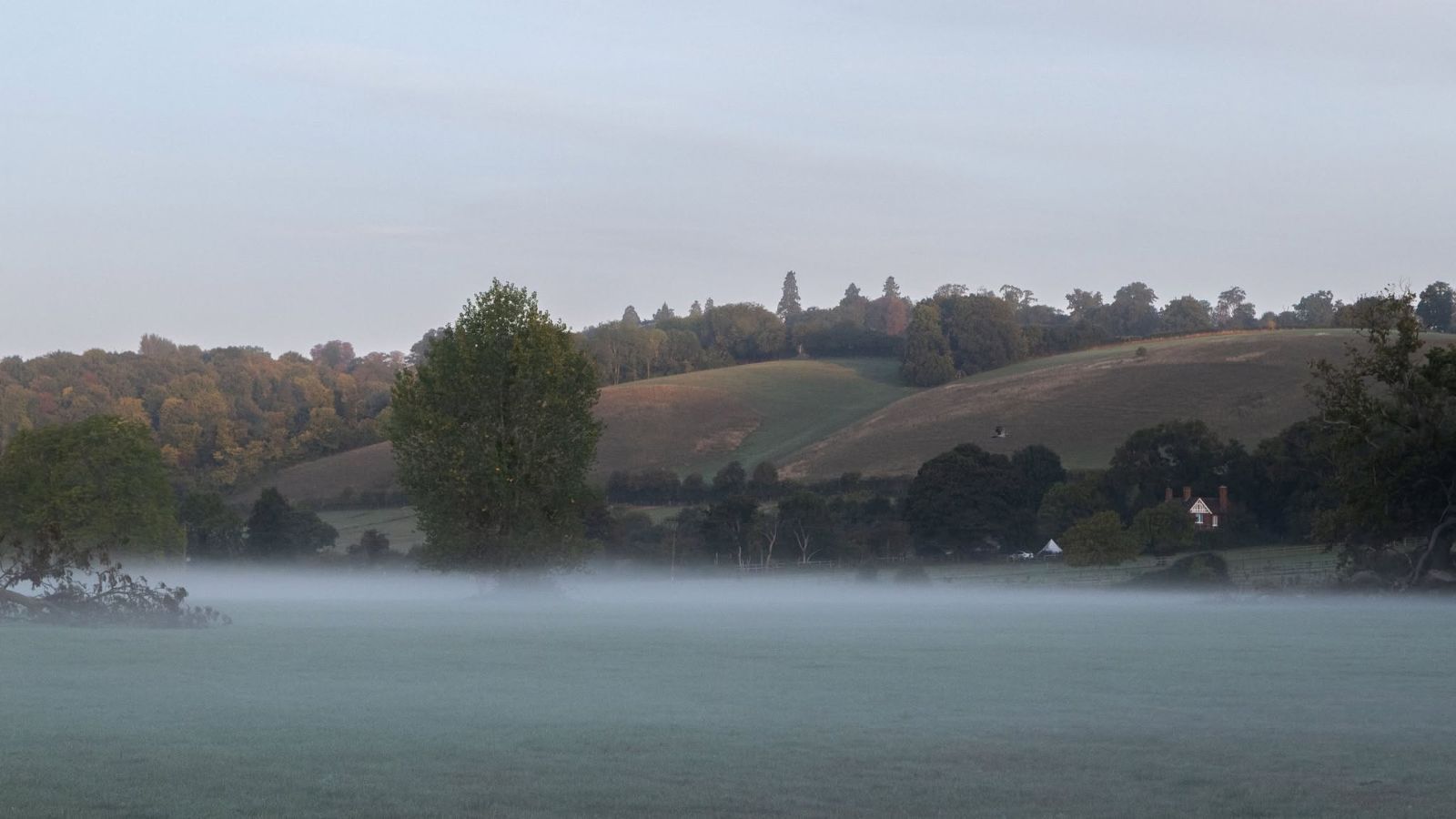
A brahmin called Saṅgārava once asked the Buddha a very human question. Why is it that sometimes even verses I've practised for years won't come to mind, and other times even things I haven't practised come easily?
The Buddha answered with a bowl of water (AN 5.193).
Imagine you want to see your face reflected in a bowl of water. You can't, if the water is:
These are the five hindrances. When the mind is full of them, you can't see clearly. When the water is clear and still and brought into the light, you see your face exactly as it is. That's vipassana: seeing as it is.
Kāmacchanda. Wanting something pleasant. Food, comfort, a person, a memory, a plan for after the retreat.
The mind colours everything with wanting. Oh, too little cake. Oh, too much cake. Unpleasant again. Sensual pleasure never quite satisfies.
Practice: note it precisely. Wanting, wanting. Liking, liking. Watch where you feel it in the body. See that it arises, and it passes, even if you don't feed it.
Byāpāda. Aversion. Not liking. Irritation at the person who breathes loudly next to you. Pushing away the cold, the pain, the schedule.
Holding resentment is like holding a hot coal to throw at someone. It burns you first.
Practice: disliking, disliking. Irritation. Feel the heat of it. And in the evening, loving-kindness meditation is the direct medicine. You never win by answering aggression with aggression; you win by turning the mind to the opposite.
Thīna-middha. Heaviness, dullness, nodding off. Very common after lunch.
Practice: stir up energy. Do longer and more energetic walking meditation. Sit with eyes open. Stand up for a while on your mat. Add more objects to the noting: rising, falling, sitting, touching. Note drowsy, drowsy with real interest. In Thailand I used to splash water on my face and neck before the afternoon sit.
Uddhacca-kukkucca. The mind going doo-doo-doo-doo. Planning, replaying, regretting. Can't sit still.
Practice: note restless, restless, or planning, remembering. Don't fight it. Come back to the body again and again. Slow, precise walking meditation helps a lot: lifting, moving, placing. Restlessness has a lot to do with the past too, things we did that we're not proud of. That's why the precepts matter. Virtue is your security.
Vicikicchā. Is this working? Am I doing it right? Maybe this technique isn't for me. Maybe I should do the breath at the nose instead.
Doubt is very clever. It always finds a fresh reason you hadn't thought of.
Practice: note doubting, doubting. Then go back to the technique, full power. Doubt is answered by experience, not by thinking. Bring real questions to your interview with the teacher.
Here's the important part. Nothing is a disturbance to your meditation. The hindrances are objects of meditation too. They're one of the four foundations of mindfulness: dhammas.
You don't need to wait for a calm mind to meditate. You meditate on the restless mind, on the sleepy mind, on the doubting mind. Note, know, let go.
Each time you see a hindrance clearly, a little dye washes out of the water. The surface settles. And one day, you look into the bowl and see your face.
Learn the basic method in noting meditation, step by step, or practise with a teacher on a silent retreat.
Practise this with a teacher, in silence, by the river. Seven days at Hardwick, 2027.
Book a placeHave a question about the practice? Ask Ananda, our Dhamma assistant.
Looking for a silent meditation retreat near London? Our 7-day vipassana retreats are at Hardwick Estate in the Chilterns, 40 minutes by train from Paddington.
Read · 3 min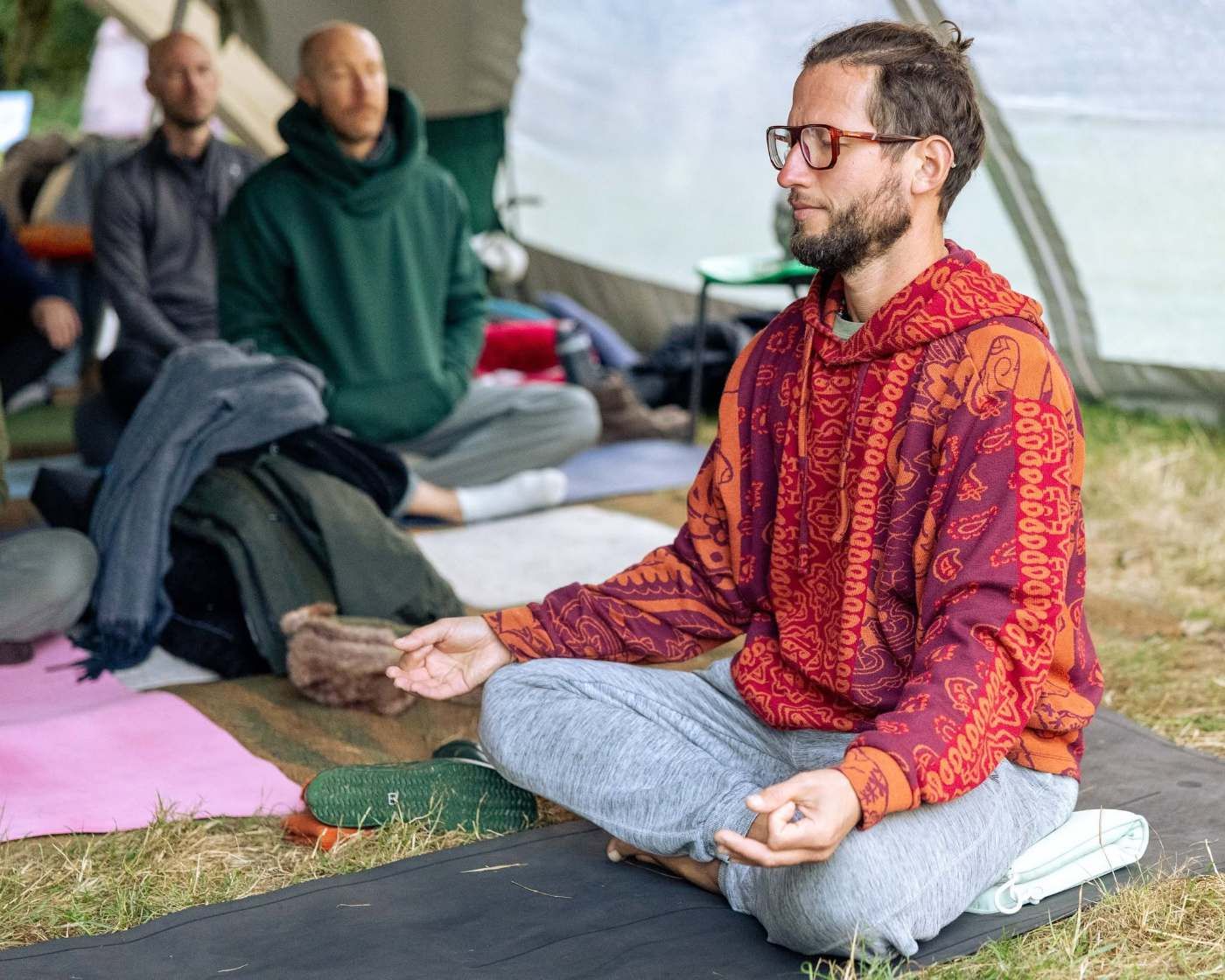
Never meditated? You can still do a silent vipassana retreat. A teacher answers the common worries: sitting, silence, emotions, sleepiness, and whether you'll "fail".
Read · 3 min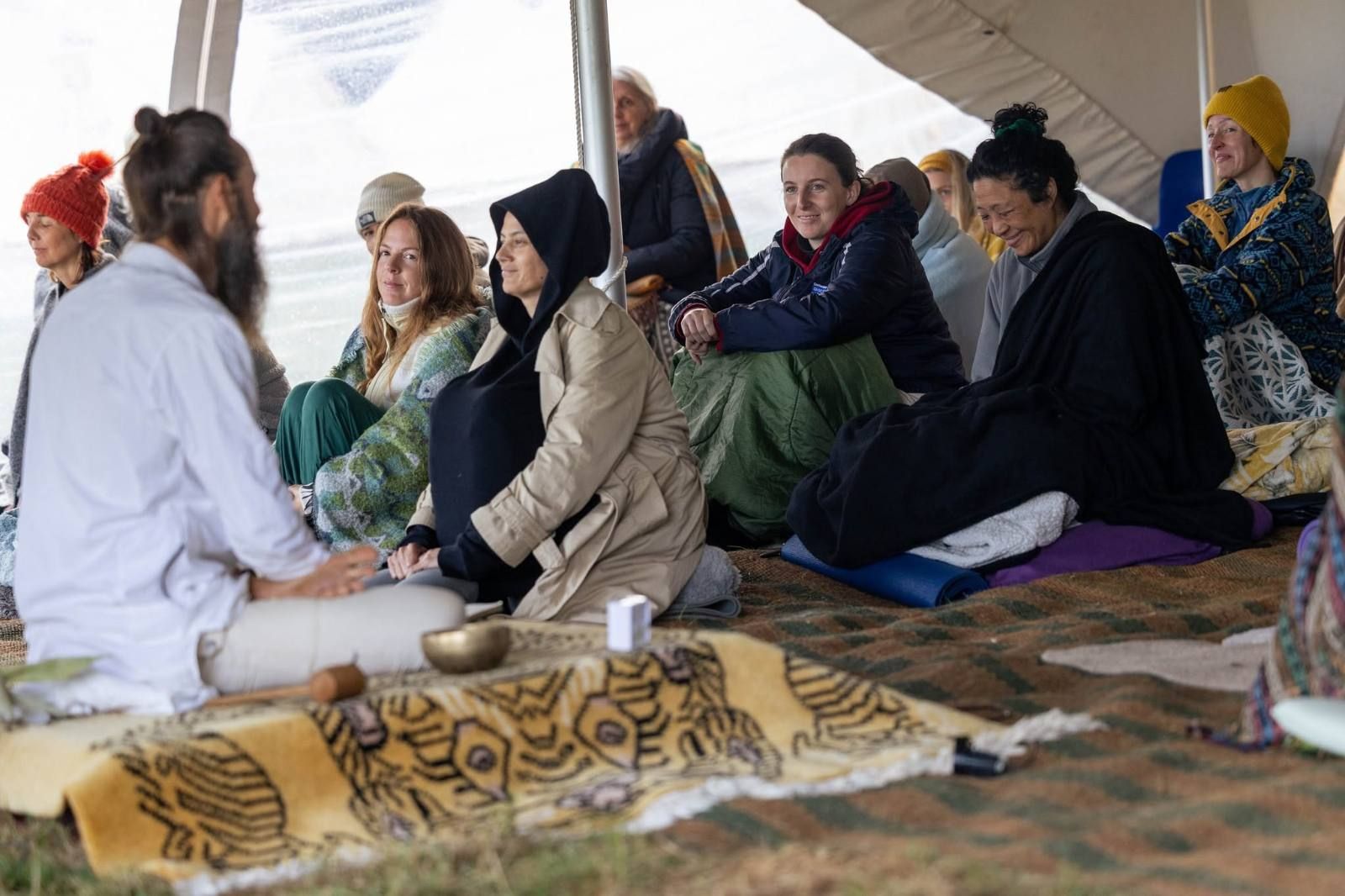
An honest, respectful comparison of the S.N. Goenka 10-day vipassana course and a 7-day Mahasi-style insight retreat: technique, schedule, teacher contact, yoga, cost and waiting lists.
Read · 3 minNew dates, early-bird places and short teachings from Dmitry, a few times a year. No spam; unsubscribe any time.