Yes, you can.
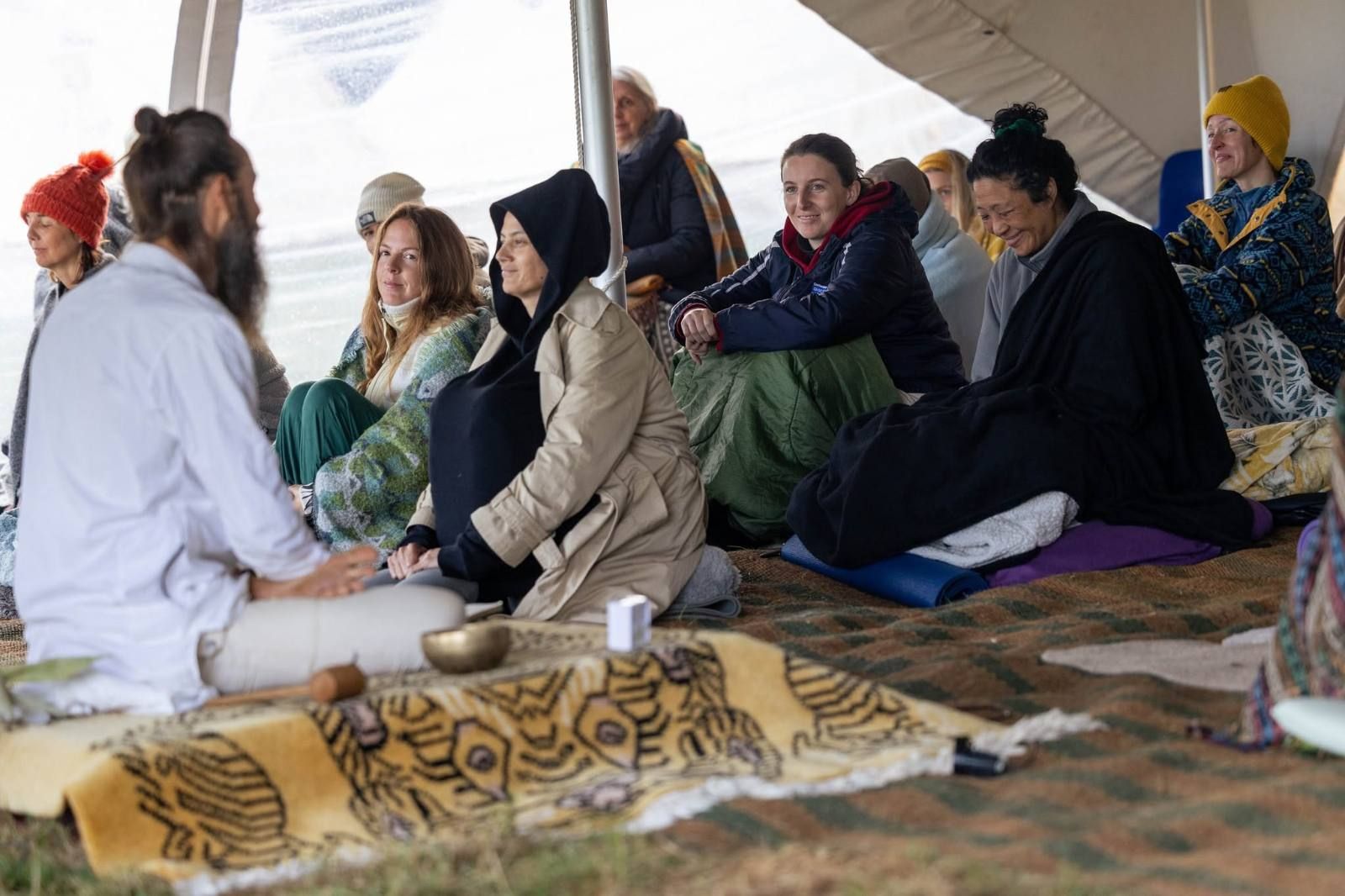
At the start of every retreat, I ask: who is here for the first time? Hands go up. Second time? Third time? Every group is a mix. The first-timers do just as well. Sometimes better, because they come without expectations.
Here are the worries I hear most, and my answers.
"I've never meditated. Will I be lost?"
No. On day one we teach sitting meditation from zero. Next morning, walking meditation. Then each day we add one more object to the noting. Step by step.
The technique is pristinely simple. You watch the belly rise and fall, and you softly note rising, falling. When the mind wanders, you note thinking, and come back. That's the beginning. Everything else grows from it.
"I can't sit cross-legged."
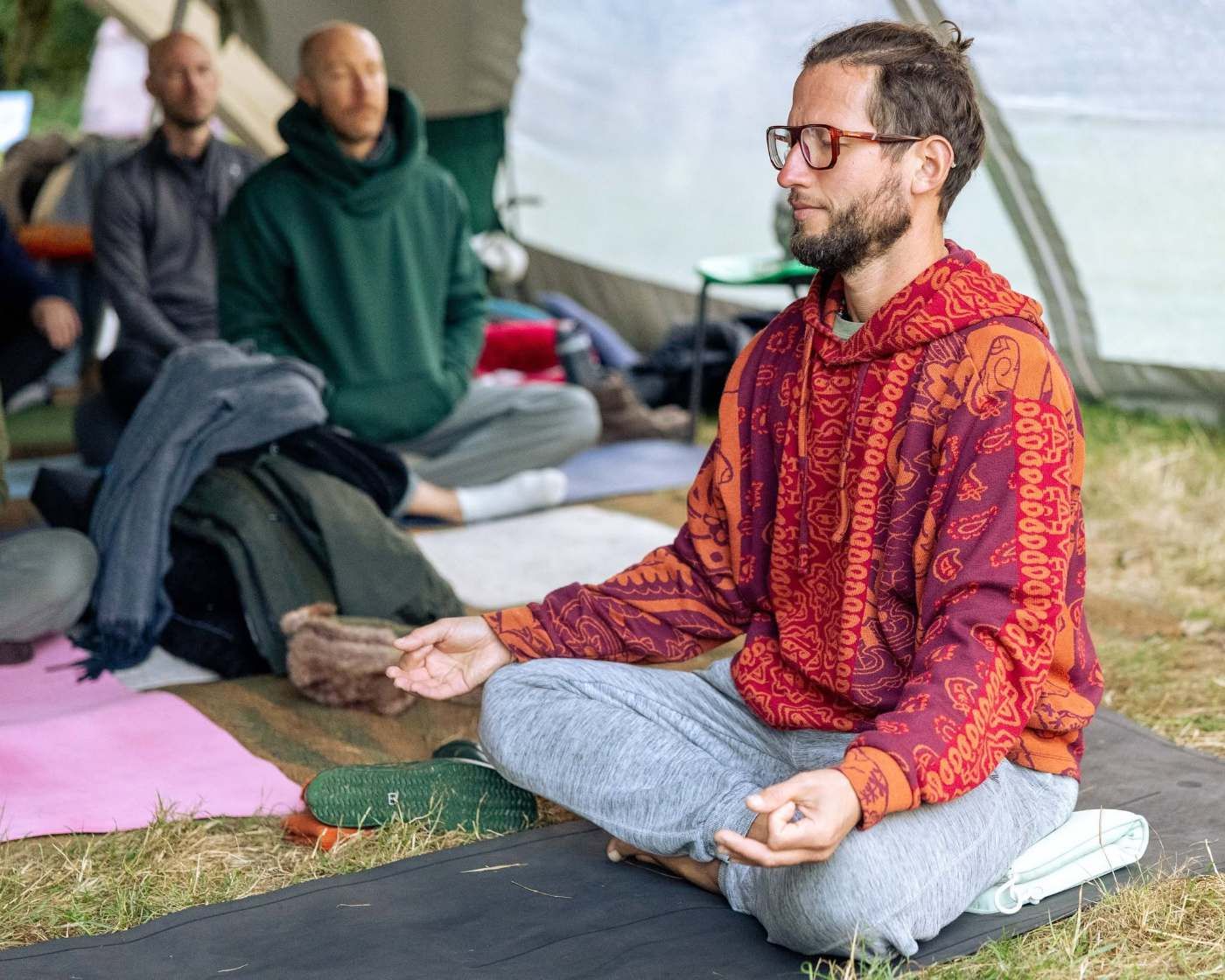
You don't have to. Use a cushion, a meditation bench, or a chair. My own first long retreat had two-hour sittings, and I learned my posture the hard way. You won't have to: our sittings are 45 minutes, alternating with 45 minutes of walking, and we do yoga every morning to prepare the body.
"I won't be able to stop thinking."
Good news: nobody can. Thinking is the nature of the mind. It will think forever. We're not trying to stop it. We're learning not to sink into it, to wake up from the movie and see it's just a movie.
You'll drift away a thousand times in a session. That's normal. Each time you notice, you've done one repetition. Like the gym.
"What if strong emotions come up?"
They might. That's not a problem; it's material for practice. You note it: sadness, sadness, or fear, fear. You see it as a thing that arises, stays a while, and passes. You can always talk to the teacher in your interview.
If you have a mental health condition, please tell us when you book, so we can talk about whether a silent retreat is right for you at this time.
"I'll fall asleep."
Many do, especially after lunch. It's called sloth and torpor, one of the five hindrances. We have tools: more energetic walking, eyes open, standing for a while, cold water on the face. By mid-retreat, most people have more energy than they've had in years.
"What if I can't do it? What if I fail?"
You can't fail at this. There's nothing to win. Some people have big breakthroughs on their first retreat, most on their third, some later. It's gradual. Can you play Rachmaninoff after two days of piano lessons? No. But you can start.
The only real "failure" is giving up too early, before you've tasted concentration. So stay the full week. Don't get up from the surgery table halfway through: "Doctors, I need to go."
Is it right for me?
A silent retreat is good for you if you:
- are curious about your own mind
- can follow a simple schedule for a week
- can sit, in some position, for about half an hour
- are willing to be without your phone
It may not be the right time if you're in acute crisis or have recently had a serious psychiatric episode. Talk to us first.
The best preparation
A few minutes of sitting each day for a couple of weeks before you come. Go to bed a bit earlier. Cut down on coffee. That's enough.
Then come, surrender to the schedule, and let the practice do the work.
Read what to expect, day by day, what to bring, or book a place.