
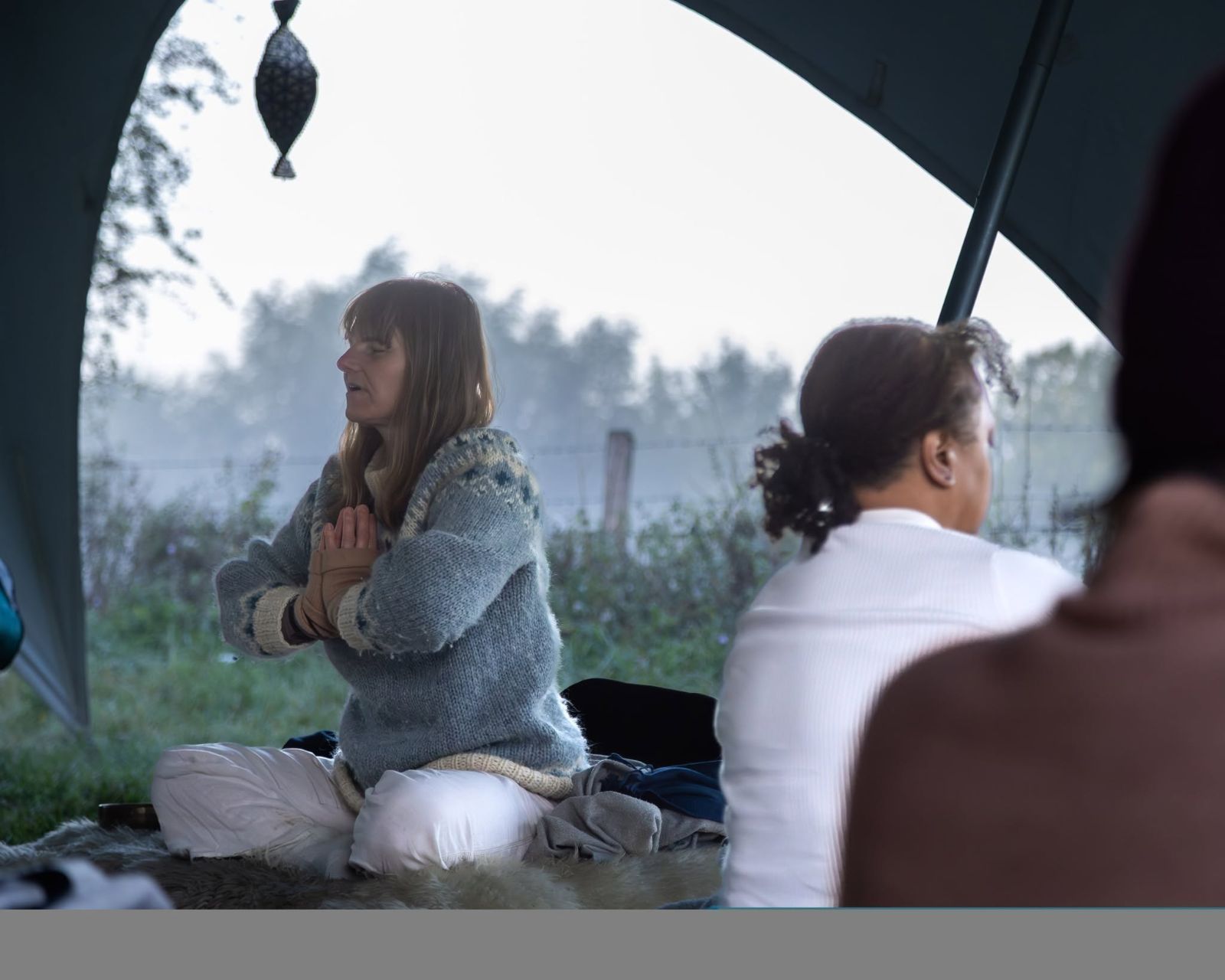
Your First Silent Retreat: What Really Happens, Day by Day
A day-by-day guide to your first silent meditation retreat: arrival, the hard days, the turning point, and leaving. Honest advice from a vipassana teacher.
Read · 3 min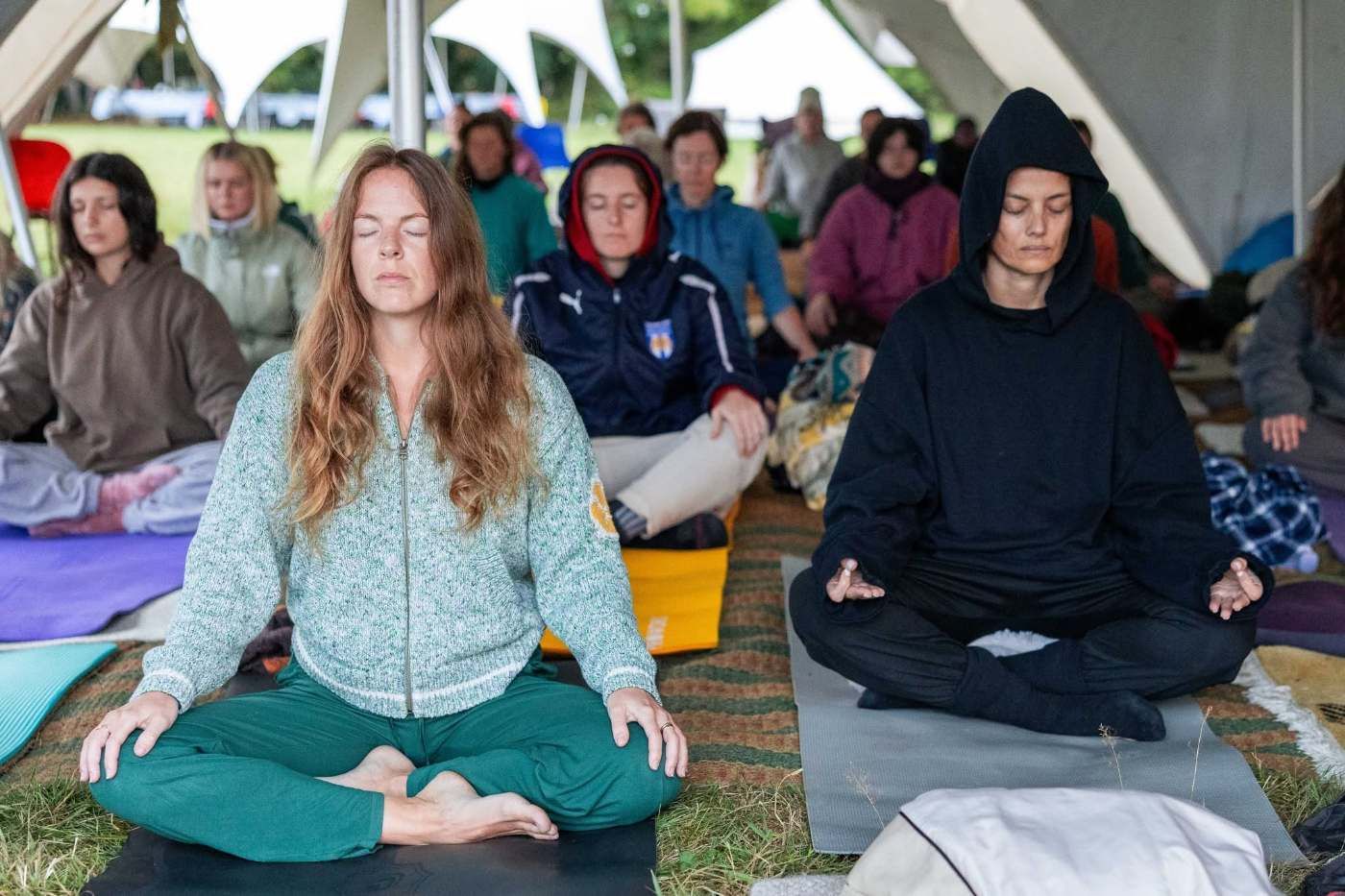
When you type "meditation" into Google, what do you see? Someone sitting on top of a mountain, in full lotus, everything serene. Yes, that's your expectation. For a couple of days, it won't be you. And that's fine.
So let me tell you honestly what a vipassana retreat is, from the point of view of someone who sits them every year and teaches them.
Vipassanā is a Pāḷi word. Passanā is seeing, and vi is clearly, in a special way. So vipassana means seeing clearly, seeing things as they really are.
People talk about "doing vipassana" as if it were a method. Strictly, vipassana is what you get. The method is mindfulness, sati, practised according to the Buddha's teaching on the four foundations of mindfulness, the Satipaṭṭhāna. Every well-known vipassana tradition in the world goes back to this teaching. You can read the Buddha's own discourses on it in the Satipaṭṭhāna Saṁyutta (SN 47) in our library.
This is not a chanting retreat. Not a visualisation retreat. Nobody is trying to convert you to anything. It's quiet, and we deal with the raw data of experience: seeing, hearing, touching, thinking.
Meditation, in Pāḷi, is bhāvanā. It means cultivation, development of the mind. Just as the gym trains the body, here we train the mind: awareness, energy, concentration, confidence, wisdom.
The Buddha said there are two kinds of retreat. In one, you bring your body to the retreat, but the mind is still at home, planning, remembering, tightening the knots. A friend once told me about her ten-day retreat: "Wonderful. So much time for thinking." Well. In the other kind, the mind comes to the retreat too. That's the one we want.
At our retreats we teach in the tradition of Mahasi Sayadaw, the noting method practised by monks and nuns in Burma and Thailand. In short:
Our formula is very simple: note, know, let go. Awareness of what's happening. Knowing it with wisdom, as just a thing, not mine, not myself. Then letting it go.
Silence is not a punishment. It's a gift. You don't have to be anybody for anyone. No small talk, no performing, no phone. All the energy that usually goes out through the mouth stays with the practice.
Most people are surprised how nourishing it is. By day three, many say it's the most restful thing they've done in years.
The schedule follows monastery life. A bell tells you where to be, so you don't even need to look at a clock.
You can see the full timetable on our retreats page.
For a couple of days, yes. The body complains, the mind negotiates. "Oh, what about your painful knee? You might just go and lie down now." It always finds a nice new reason.
This is normal. It's like soreness after the gym: it leads to adaptation and strength. Usually on day three the body adjusts, the mind settles, and the real work starts. Towards the end, many people have more energy than they've had in years.
Not something exotic. A skill. When anger comes, or worry, or sadness, you can step out of it and see it as a thing that arises, stays a while, and passes. Until you take it personally, it keeps pushing your buttons. Once you see it's not you, it can let go.
The Buddha said the ocean has one taste, the taste of salt, and in the same way his teaching has one taste, the taste of freedom (Ud 5.5). That's what we're tasting.
A vipassana retreat works best where everything else is taken care of: simple food on time, a quiet place, a teacher who knows the path, and people around you doing the same work. Alone, waking at 4:30 is almost impossible. Together, it's possible.
If you're curious, read what to expect on your first silent retreat, or have a look at our 2027 retreat dates.
Practise this with a teacher, in silence, by the river. Seven days at Hardwick, 2027.
Book a placeHave a question about the practice? Ask Ananda, our Dhamma assistant.
A day-by-day guide to your first silent meditation retreat: arrival, the hard days, the turning point, and leaving. Honest advice from a vipassana teacher.
Read · 3 min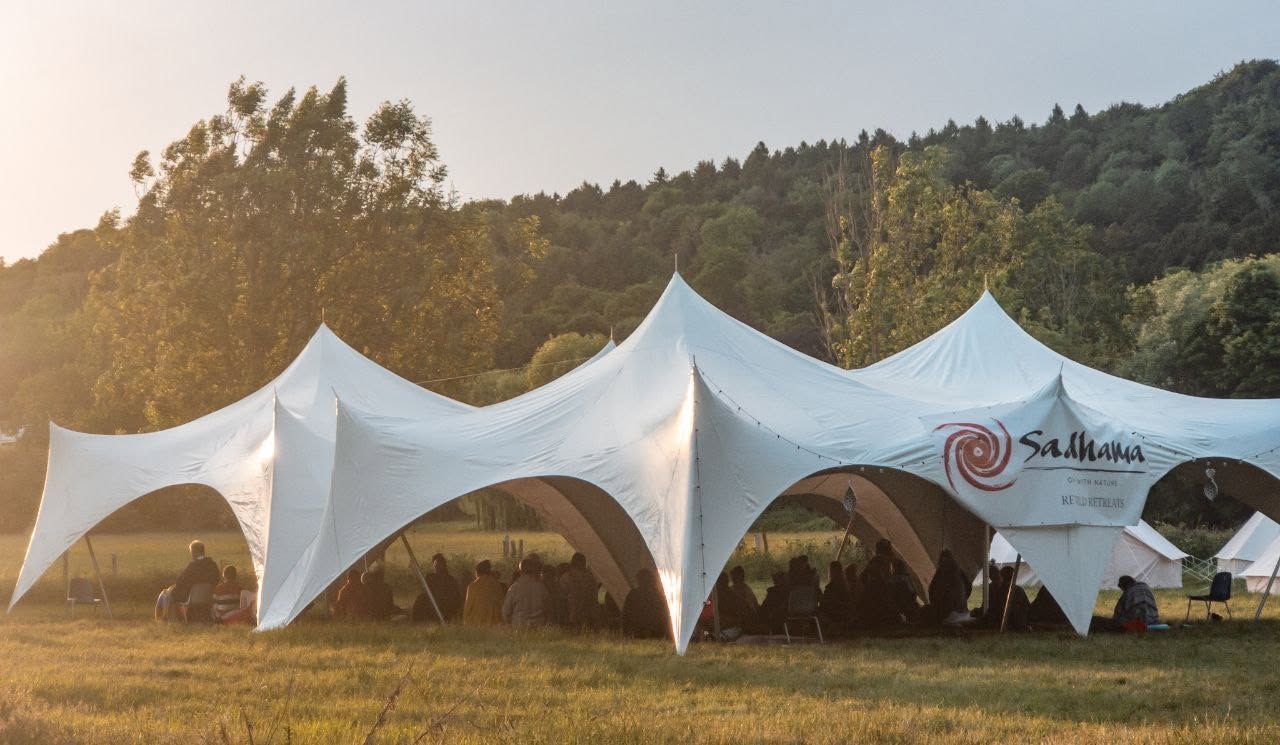
Looking for a silent meditation retreat near London? Our 7-day vipassana retreats are at Hardwick Estate in the Chilterns, 40 minutes by train from Paddington.
Read · 3 min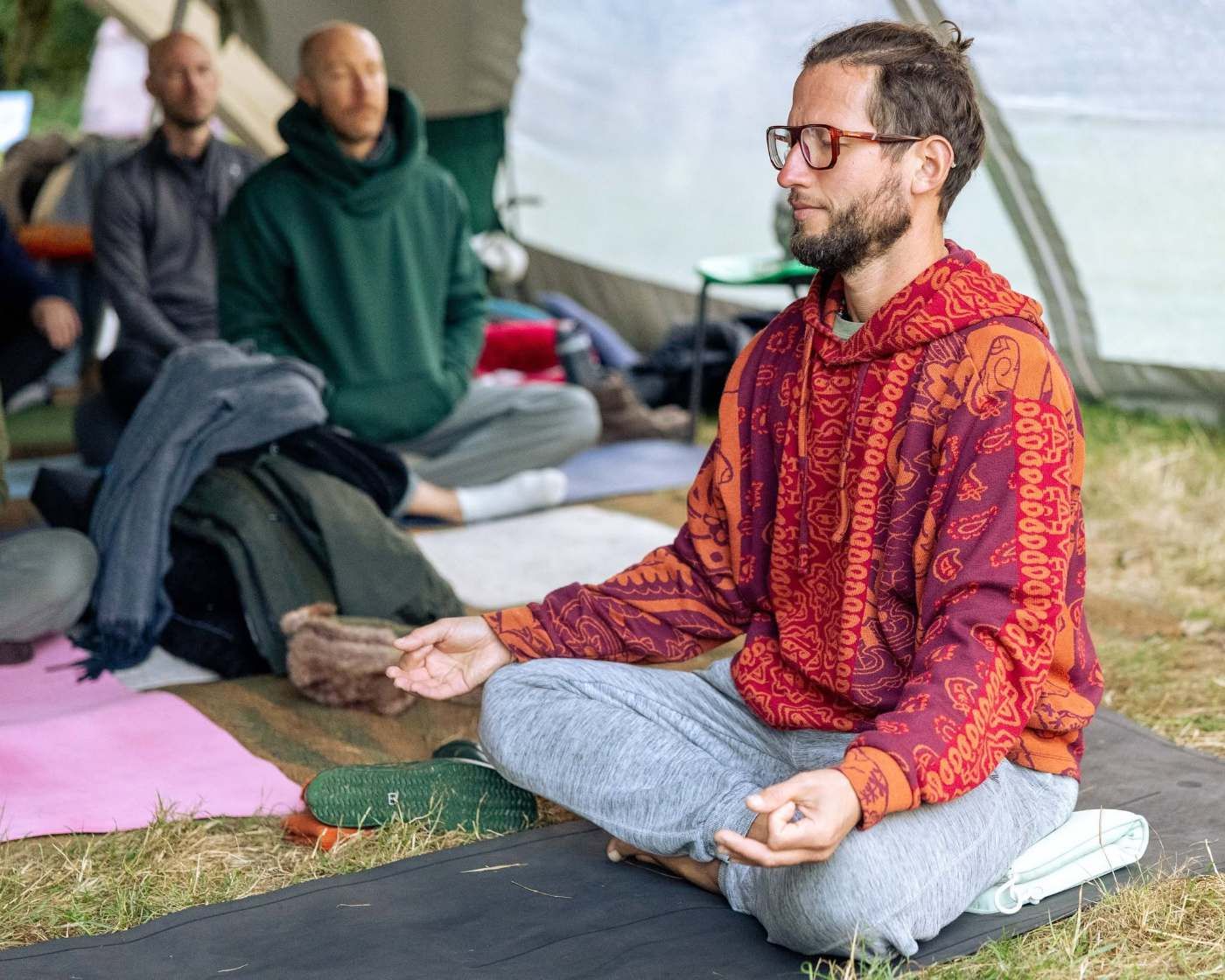
Never meditated? You can still do a silent vipassana retreat. A teacher answers the common worries: sitting, silence, emotions, sleepiness, and whether you'll "fail".
Read · 3 minNew dates, early-bird places and short teachings from Dmitry, a few times a year. No spam; unsubscribe any time.