
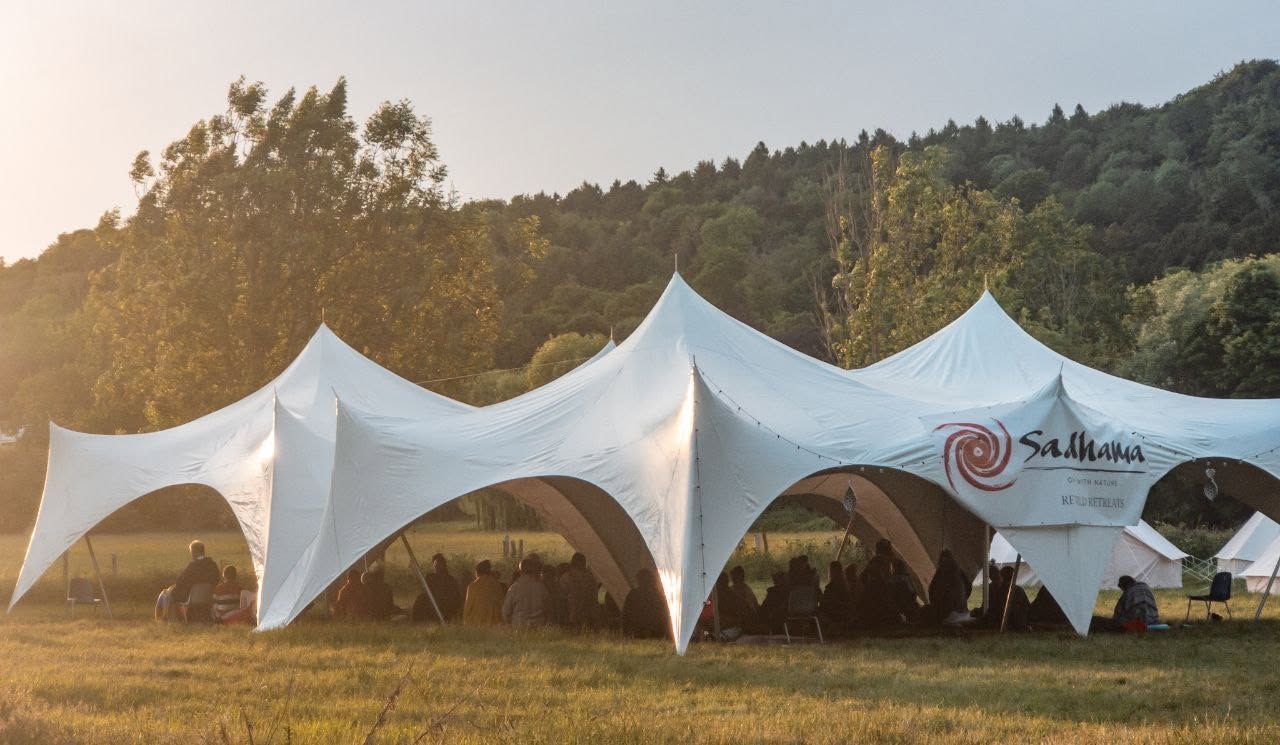
A Silent Retreat Near London: Vipassana on the Thames in Oxfordshire
Looking for a silent meditation retreat near London? Our 7-day vipassana retreats are at Hardwick Estate in the Chilterns, 40 minutes by train from Paddington.
Read · 3 min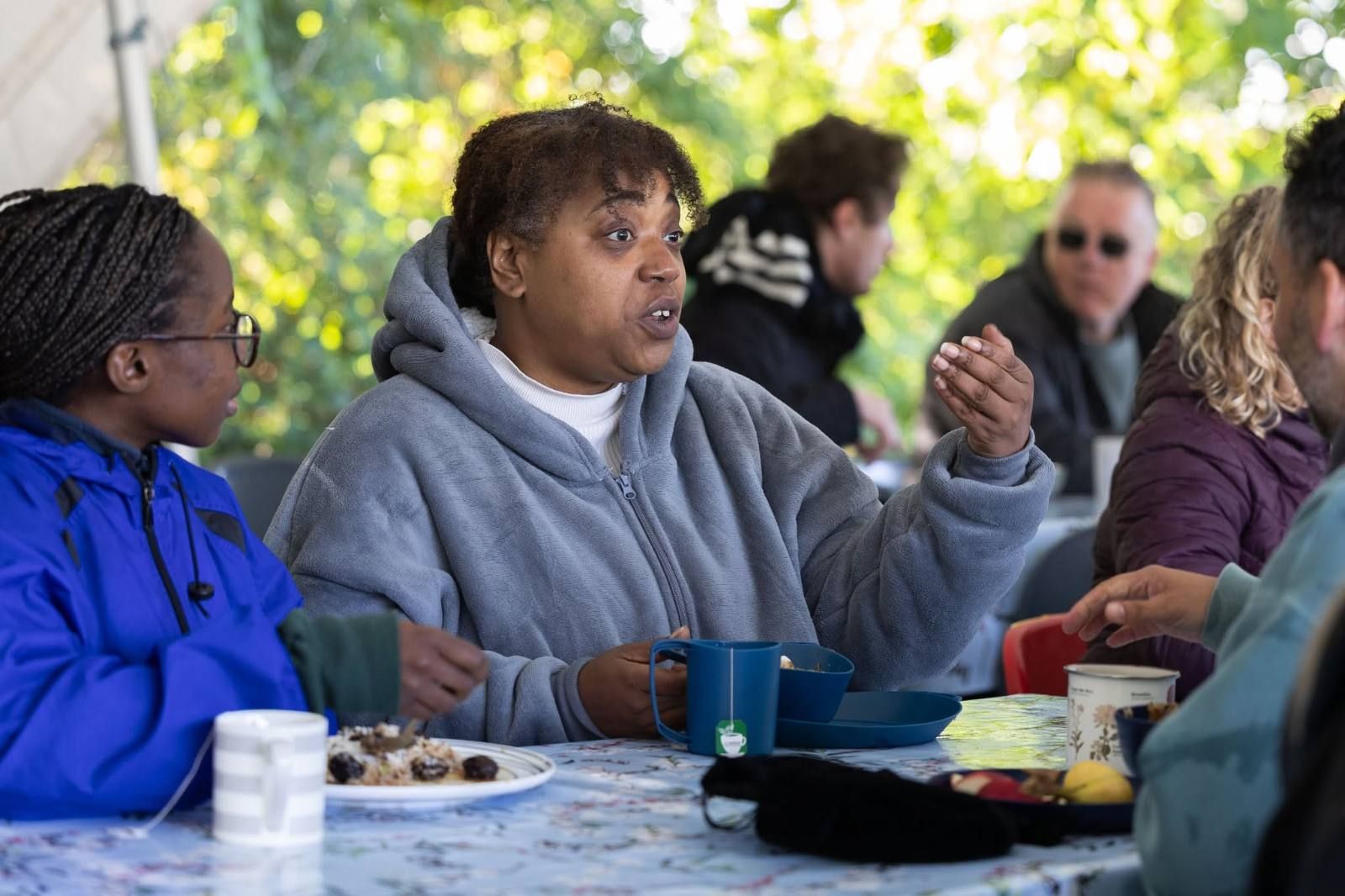
One of the first questions people ask: how much does it cost?
Our answer comes in two parts, and the second part is up to you.
For our 7-day Insight Vipassana retreat at Hardwick, the fee is £149 (a £75 deposit secures your place). It covers the basic costs of your stay: plant-based meals, the campsite, showers, the marquee and the running of the retreat.
That's it. It's not a profit. Accommodation upgrades, like a rented tent or a bell tent with a bed, are extra and chosen at booking. Massage with the on-site therapists is optional and paid separately.
We also offer a few seva tickets at reduced cost, for people who'd like to help the core team, or who can't afford the full fee but really want to come. You apply for those through the booking page.
The teaching itself, the Dhamma talks, the instructions, the interviews, is offered for dāna. At the end of the retreat, you give whatever you feel moved to give.
Why? It's important for vipassana to be offered this way and not as a product. This is the purest path, for both sides.
For us as teachers, we offer the teaching in the spirit of service. There is great joy in giving this knowledge, purely for the benefit of each person.
For you as a participant, you meet the teaching without a consumer expectation. You haven't "bought" a result. Only the basic costs are covered, so the exchange is even. Everything beyond that is your choice. At the end, based on what the retreat actually gave you, you have the right to value it, and to show generosity in a way that doesn't devalue your own experience.
In my talks I often say: there are three main things given to us as lay people. Virtuous behaviour, meditation, and generosity.
Generosity is giving away a chunk of selfishness. "It's mine." And then, a piece of it, given to the whole. It's a beautiful state of mind.
If you're a cheapskate and you don't have much money, you especially need to practise generosity. Sounds contrary, right? However, this is the way. You give with a full heart, something meaningful for you, and it comes back. The universe doesn't know the ratio.
The Buddha spoke about the benefits of giving: a giver is dear to many people, good people seek their company, they get a good name, they don't neglect their duties, and they go to a good place after this life (AN 5.35).
There's no fixed amount, and nobody will check. Some guidelines people find helpful:
What you give also makes it possible for the next person to come.
UK retreats vary a lot. Fully donation-based centres exist (and often have waiting lists). Many private retreats charge several hundred pounds or more for a week, teaching included. Our model sits in between: a low fixed fee that keeps the lights on, and the teaching kept outside the market, as it has been for 2,500 years.
See the 2027 dates and booking, or read about what's included each day.
Practise this with a teacher, in silence, by the river. Seven days at Hardwick, 2027.
Book a placeHave a question about the practice? Ask Ananda, our Dhamma assistant.
Looking for a silent meditation retreat near London? Our 7-day vipassana retreats are at Hardwick Estate in the Chilterns, 40 minutes by train from Paddington.
Read · 3 min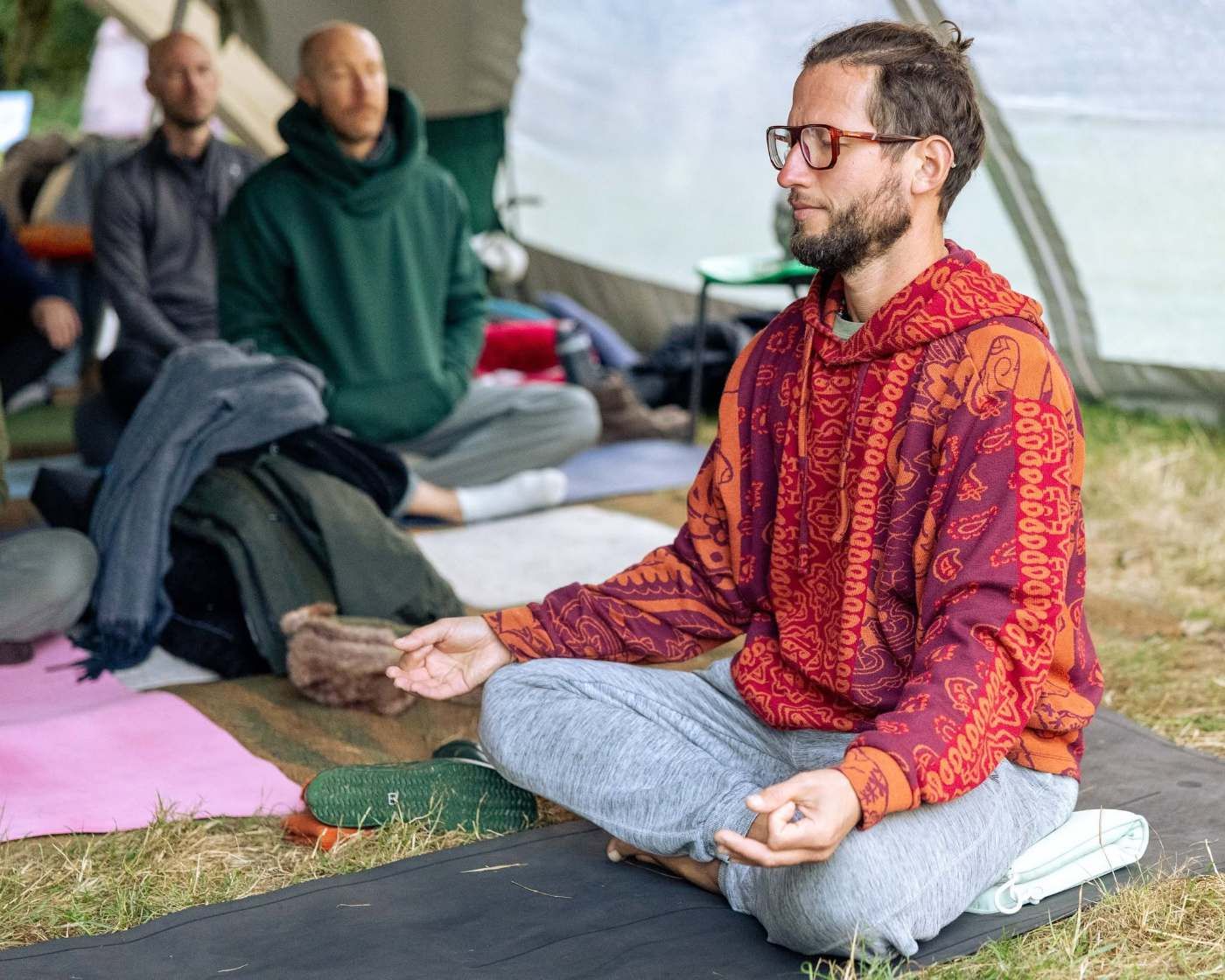
Never meditated? You can still do a silent vipassana retreat. A teacher answers the common worries: sitting, silence, emotions, sleepiness, and whether you'll "fail".
Read · 3 min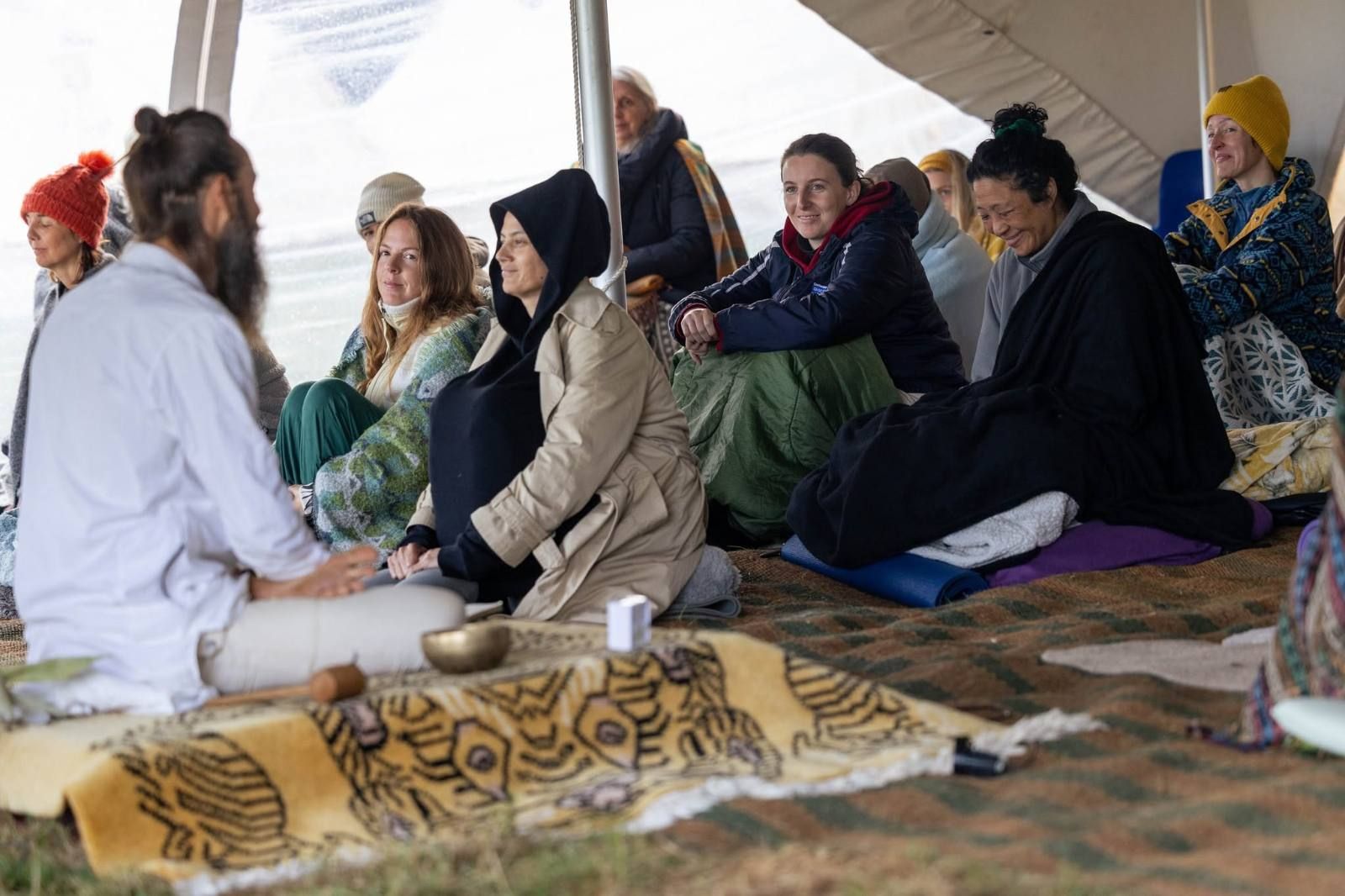
An honest, respectful comparison of the S.N. Goenka 10-day vipassana course and a 7-day Mahasi-style insight retreat: technique, schedule, teacher contact, yoga, cost and waiting lists.
Read · 3 minNew dates, early-bird places and short teachings from Dmitry, a few times a year. No spam; unsubscribe any time.